


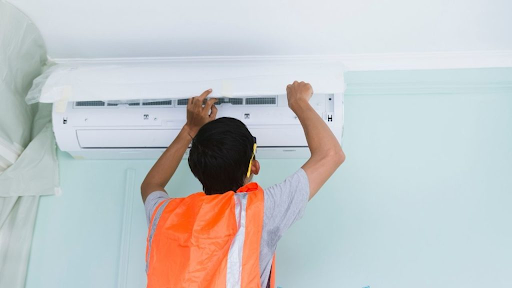
Air conditioners are very common in homes and offices today. They keep us cool during hot weather, but when they break or get old, many people throw them away. Disposing of air conditioners without proper recycling can harm the environment.
They contain chemicals and metals that can pollute the air, water, and soil. Recycling air conditioners can prevent these problems and even help save natural resources. In this article, we will look at five important environmental advantages of air conditioner recycling.
1. Reduces Harmful Gas Emissions
Old air conditioners contain refrigerants, such as CFCs or HFCs, which can escape into the atmosphere if the units are not recycled. These gases damage the ozone layer and contribute to global warming. When air conditioners are properly recycled, these harmful gases are safely removed and disposed of.
This process prevents them from entering the atmosphere, helping to protect the environment and fight climate change. Recycling air conditioners ensures that harmful emissions are reduced significantly.
2. Conserves Natural Resources
Air conditioners contain valuable metals like copper, aluminum, and steel. Mining and producing these metals from scratch uses a lot of energy and damages the environment. Proper air conditioner recycling allows us to recover these metals and reuse them in new products.
This reduces the need to mine new resources and saves energy. By recycling, we can preserve natural resources for future generations while also lowering the environmental footprint of new manufacturing.
3. Reduces Waste in Landfills
Throwing old air conditioners in landfills creates many problems. The units take up a lot of space and can leak chemicals into the soil and water over time. Recycling air conditioners prevents them from ending up in landfills.
It keeps hazardous materials out of the ground and reduces the amount of waste we produce. This helps keep the environment cleaner and safer for both people and wildlife.
4. Saves Energy
Recycling air conditioners saves a significant amount of energy compared to making new units from raw materials. Producing metals, plastics, and other parts from scratch consumes a lot of electricity and fuel.
By using recycled parts, manufacturers can reduce the energy needed for production. This lower energy use means fewer greenhouse gas emissions, which benefits the environment. Recycling helps create a more sustainable system where energy is used more efficiently.
5. Supports a Circular Economy
Air conditioner recycling encourages a circular economy, where products are reused and materials are kept in circulation instead of being thrown away. This system reduces environmental pressure by limiting waste and conserving resources.
It also promotes responsible production and consumption, which is essential for long-term sustainability. By recycling air conditioners, we can close the loop and ensure that materials are used in a responsible way that protects the planet.
Conclusion
Recycling air conditioners offers many environmental benefits. It reduces harmful gas emissions, conserves natural resources, prevents landfill waste, saves energy, and supports a circular economy. By choosing to recycle old units instead of discarding them, we can protect the environment and contribute to a cleaner and healthier planet.
Every air conditioner recycled is a small but meaningful step toward sustainability, and it is a choice that benefits both people and nature.
