


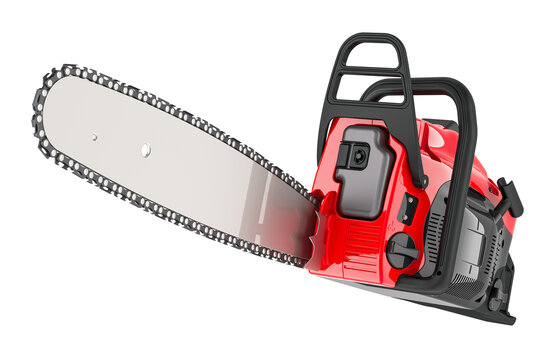
Whether you’re a seasoned lumberjack or a weekend DIY enthusiast, mastering chainsaw techniques: cutting wood like a pro can make your work safer, faster, and more efficient. Handling a chainsaw requires knowledge, precision, and attention to detail. In this guide, we’ll break down essential tips and techniques to help you achieve professional-level results.
Choosing the Right Chainsaw
Before diving into advanced cutting techniques, it’s crucial to select the right chainsaw for the job. Chainsaws vary in size, power, and purpose. For felling large trees, a gas-powered chainsaw with a long bar is ideal, while electric or battery-powered models are perfect for lighter tasks such as pruning or cutting firewood.
Tip: Always inspect your chainsaw’s chain tension, sharpness, and fuel before starting any cutting task. A well-maintained chainsaw is safer and more effective.
Safety First: Personal Protective Equipment (PPE)
No discussion on chainsaw techniques: cutting wood like a pro is complete without emphasizing safety. Essential PPE includes:
- Chainsaw chaps or pants
- Safety goggles or face shield
- Helmet with ear protection
- Gloves and steel-toed boots
Using proper protective gear minimizes the risk of injury and allows you to focus on precision cutting.
Essential Cutting Techniques
1. The Basic Cut
For cutting logs or firewood, the basic crosscut technique is fundamental. Position the chainsaw at a 45-degree angle, keep a firm grip, and let the saw’s weight do the work. Avoid forcing the saw through the wood, which can cause kickback or uneven cuts.
2. Felling a Tree
Felling requires more skill and planning. Start with a notch cut on the side facing the direction you want the tree to fall. Then, make a back cut slightly above the notch on the opposite side. Chainsaw techniques: cutting wood like a pro involve precise angles and a steady hand to control the fall safely.
3. Limbing and Bucking
Limbing removes branches from a fallen tree, while bucking cuts the trunk into manageable sections. Always cut from the top side of a branch or log and be aware of tension points to prevent pinching the chainsaw. Using these methods efficiently reduces waste and effort.
Maintenance Tips for Professional Results
A sharp, well-lubricated chainsaw performs better and lasts longer. Regularly clean the chain, bar, and air filter, and replace worn-out parts. Checking chain tension and oil levels before each use ensures smooth operation and safer cuts.
Conclusion
Mastering chainsaw techniques: cutting wood like a pro isn’t just about brute strength—it’s about knowledge, preparation, and precision. By choosing the right equipment, using proper safety gear, and practicing essential cutting methods, you can handle any woodcutting task efficiently and safely. Whether felling trees, limbing branches, or preparing firewood, these professional techniques make every cut count.
