


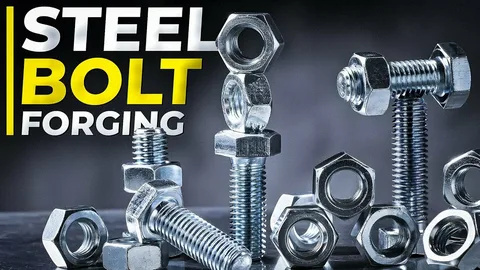
When it comes to fastening materials, two of the most commonly used hardware options are bolts and screws. While they may seem similar at first glance, there are key differences that determine when and how each should be used. Understanding these differences can make your DIY projects or professional work much smoother and more efficient.
Understanding Bolts
Bolts are typically used to assemble two unthreaded components by passing the bolt through aligned holes and securing it with a nut. They are designed to provide strong, stable connections and are often used in construction, machinery, and automotive applications.
Key Features of Bolts:
- Require a nut to hold materials together
- Often have a flat end, unlike screws which can have pointed tips
- Usually used with pre-drilled holes
Bolts are ideal for situations where disassembly and reassembly might be necessary since the nut can be easily removed.
Understanding Screws
Screws, on the other hand, are designed to be fastened directly into materials without a nut. They cut their own threads as they are driven into wood, metal, or plastic, making them perfect for securing components tightly in place.
Key Features of Screws:
- Can be used without a nut
- Usually have a pointed tip to penetrate materials
- Create their own threads in the material
Screws are versatile and come in many types, including wood screws, machine screws, and self-tapping screws, each designed for specific materials and applications.
Bolts vs. Screws: Key Differences
So, what sets bolts apart from screws? Here are the main differences:
- Threading: Bolts typically have uniform threads and rely on a nut, whereas screws often have tapered threads that cut into the material.
- Application: Bolts are best for mechanical assemblies requiring strength, while screws are more suitable for direct fastening into surfaces.
- Removal: Screws can be removed without a nut, whereas bolts require both the bolt and nut to be loosened.
By understanding these distinctions, you can choose the right fastener for your project and avoid structural or assembly issues.
Conclusion
Knowing the differences between bolts and screws is crucial for anyone working with hardware. While both serve to fasten materials, the choice between them depends on the materials, strength requirements, and whether a nut is needed. Next time you’re tackling a project, remember the key distinctions in bolts vs. screws: what’s the real difference to ensure a secure and efficient assembly.
