


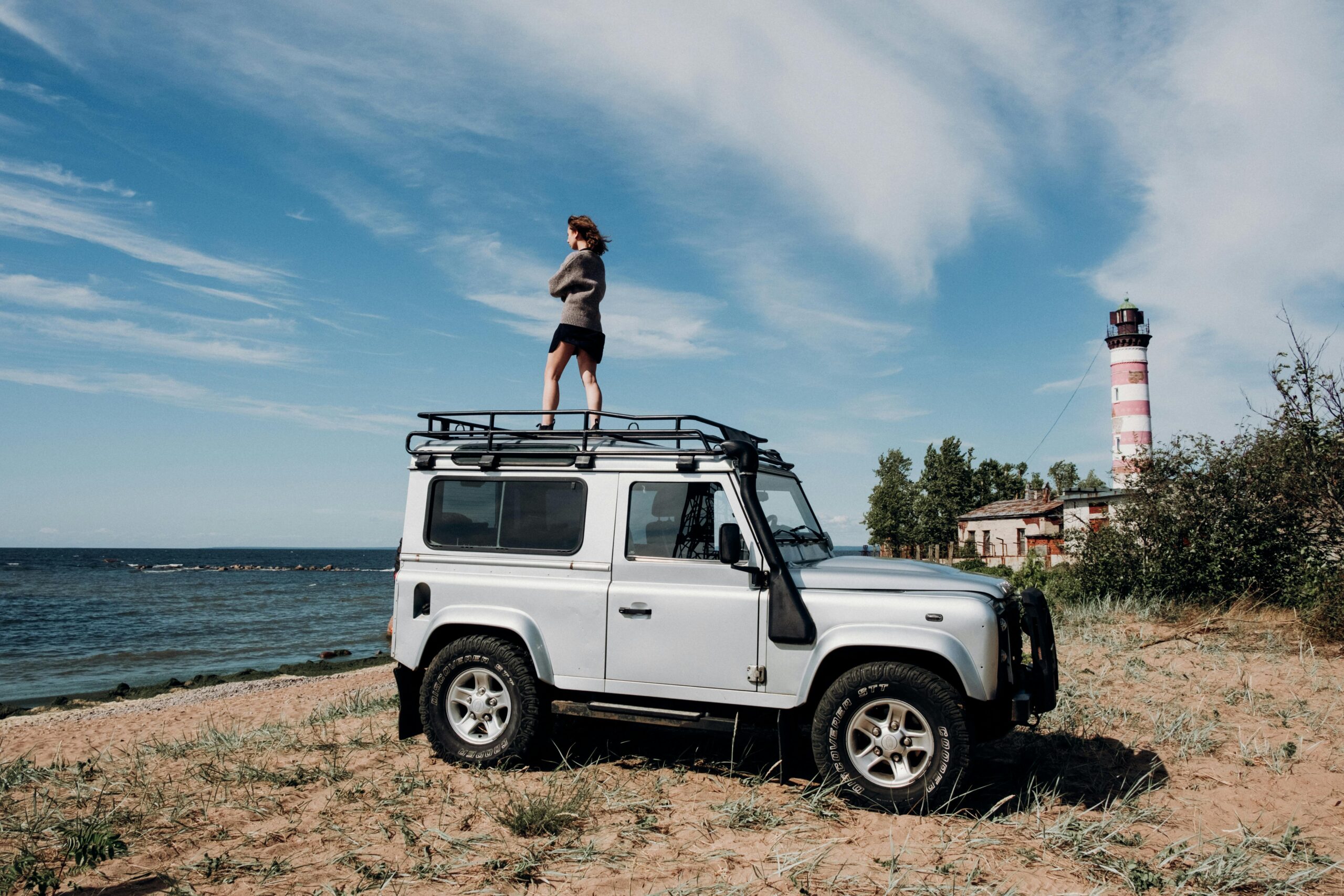
Whether you’re eyeing a weekend at a crowded national park or planning to disappear into the backcountry, your car’s interior space is likely your biggest bottleneck. We’ve all been there—trying to wedge a cooler between a passenger’s legs while a stray sleeping bag obscures the rearview mirror. It’s cramped, it’s frustrating, and it’s honestly a bit of a safety hazard when you can’t see out the back window.
The solution isn’t necessarily buying a bigger vehicle; it’s about utilizing the real estate you already own on top of your car. By moving your bulky gear upstairs, you transform your daily driver into a dedicated basecamp on wheels. Reclaiming your cabin for what matters most—the comfort of your friends and family—starts with looking upward at that empty roof.
Assessing Your Vehicle’s Hidden Potential
Before you start dreaming of rooftop tents and heavy-duty gear boxes, you need to understand what your car can actually handle. Most modern SUVs come with factory side rails, but these are often just the starting point rather than the finished product. You’ll need to check your owner’s manual for the “dynamic weight capacity,” which is just a fancy way of saying how much weight the roof can safely support while the car is moving.
If your car has a “naked roof,” meaning it’s totally smooth with no rails, don’t worry because you aren’t left out of the fun. Specialized fit kits use the door frames as anchor points to provide a sturdy foundation for your adventures. Understanding these mounting points is the first step in ensuring your gear stays attached when you’re hitting highway speeds or bouncing down a gravel road.
Choosing the Right Foundation for Gear
Once you know your weight limits, you have to decide between traditional crossbars or a full platform system. Crossbars are the two horizontal poles that run the width of your roof, and they are great for simple tasks like hauling a ladder or a single kayak. They are generally quieter and more fuel-efficient because they don’t catch as much wind, making them ideal for the casual traveler.
On the other hand, platform roof racks offer a flat, tray-like surface that covers most of the roof area. These are the gold standard for overlanding because they give you infinite tie-down points for weirdly shaped items like fuel cans or recovery boards. While they might cost a bit more upfront, the sheer versatility they offer makes them a favorite for anyone who takes their outdoor hobbies seriously.
Maximizing Utility for Specific Hobbies
The beauty of a modern rack system is the “plug-and-play” nature of the accessories you can add later. You can swap out a bike carrier for a ski rack in about ten minutes, allowing your vehicle to evolve with the seasons. This modularity means you aren’t stuck with one setup forever, which is a huge relief if you’re the kind of person who likes to try new sports.
For those who love the water, specialized cradles can hold a canoe securely without scratching the paint or warping the hull. If you’re more of a land-dweller, cargo baskets provide a “toss and go” solution for sandy beach chairs or muddy camping bins that you don’t want inside the car. Having a dedicated spot for the messy stuff keeps your interior smelling fresh and looking clean for the Monday morning commute.
Prioritizing Safety and Fuel Efficiency
Driving with a loaded roof is a different experience than zipping around town empty, so you have to adjust your habits. The extra height makes your vehicle more susceptible to “body roll,” which is that tilting feeling you get when taking a sharp turn too fast. It’s always a good idea to double-check your straps after the first twenty miles of any trip, as vibrations can cause gear to settle and loosen.
You should also keep an eye on your fuel gauge, as the extra wind resistance will likely shave a few miles per gallon off your average. Many people opt for an “aerodynamic fairing,” which is a plastic shield that deflects wind over the rack to reduce that annoying whistling sound. It’s a small investment that makes the drive much more peaceful and helps save a little bit of cash at the gas pump.
Maintaining Your System for Longevity
A roof rack is a mechanical part of your car, and like your tires or brakes, it needs a little bit of love to stay in top shape. Road salt, grime, and UV rays can take a toll on the hardware over time, potentially leading to rust or brittle plastic components. Giving the rack a quick rinse when you wash your car is usually enough to keep the grit from grinding into the finish.
It is also smart to periodically check the tension on the mounting bolts to ensure nothing has wiggled loose over months of use. If you live in an area with harsh winters but don’t plan on skiing, consider removing the rack during the off-season to protect it from the elements. This simple habit extends the life of the system and ensures it’s ready to go the moment the weather turns nice again.
Conclusion
Investing in a solid roof rack system is one of the few upgrades that truly changes how you use your vehicle. It bridges the gap between a standard commuter car and a rugged explorer, giving you the freedom to carry everything you need for a life lived outdoors. Once you experience the convenience of an organized, spacious cabin and a fully loaded roof, you’ll wonder how you ever managed to cram everything into the trunk. Your next big story is waiting out there—you just need the right gear to help you get there.
