


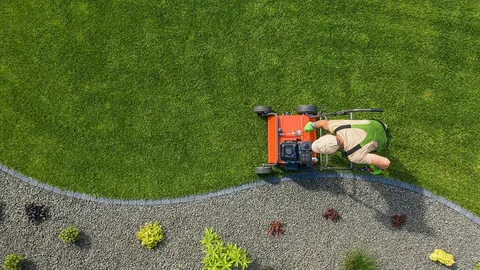
For optimal growth and health of your turf, understanding the distinction between puncturing the soil to enhance air circulation and removing the layer of built-up organic debris is crucial. Each method serves a unique purpose and can complement your grass’s needs, depending on its condition and the season.
Puncturing involves creating small holes in the ground to allow air, water, and nutrients to penetrate deeper into the root zone. This practice not only alleviates soil compaction but also promotes robust root development, benefiting your greenery significantly. It is particularly beneficial in densely packed or clay-heavy soils.
On the other hand, removal of thatch, the layer of dead grass and organic matter that accumulates on the surface, is essential when it thickens excessively. A thin layer is healthy, acting as a protective buffer, yet a thick layer can hinder water absorption and nutrient uptake. Regularly addressing thatch build-up will ensure your turf thrives and maintains its luscious appearance.
Lawn Aeration vs. Dethatching: Key Differences
Choose aeration if your grass suffers from compacted soil, as this method involves perforating the ground to allow air, water, and nutrients to penetrate deeper. For a lawn with excessive thatch buildup, mitigate it through dethatching, which removes the layer of dead grass and organic matter obstructing growth.
Consider the methods: aeration can be conducted using spike or core instruments. Core aerators remove plugs of soil, enhancing air circulation. Dethatching, on the other hand, can employ power rakes or dethatchers to abrade the layer effectively.
Timing plays a significant role; aeration typically occurs in the spring or fall during the active growth phase of grass, while dethatching is best performed during early spring or fall when the grass can recover quickly.
Monitor moisture levels as well. Aeration works best when the soil is slightly moist to facilitate plug removal, while dethatching is effective on dry grass to prevent damage during the process.
Evaluate the root system. If roots are shallow and stressed, aeration can enhance their depth and resilience. Conversely, if you observe poor drainage and a thick thatch that retains moisture, dethatching will promote better airflow and moisture control.
In conclusion, select aeration to combat soil compaction and improve nutrient access, while opting for dethatching when dealing with excessive organic material that may hinder growth.
Understanding Lawn Aeration Techniques
Select a core aerator for optimal soil penetration, removing plugs of soil to allow air, water, and nutrients to reach the root system effectively. This method is ideal for compacted soils and promotes healthier grass growth.
Consider spike aeration as an alternative, which involves creating holes in the soil surface using solid tines or spikes. While it can improve drainage, it doesn’t remove soil material, making it less effective for heavy compaction issues.
Scheduling is critical. Perform aeration during active growth seasons–spring or early fall for cool-season varieties and late spring for warm-season types. This timing maximizes recovery and growth post-treatment.
Follow up with overseeding and top-dressing to enhance results. Spreading grass seeds and a thin layer of compost or soil after aerating can accelerate recovery and create an ideal growing environment.
Regular maintenance is advised. Assess your soil’s compaction levels annually, adjusting your aeration frequency based on the health and density of the turfgrass. Typically, every 1-3 years is sufficient for most managed areas.
Identifying the Signs of Thatch Buildup
Check for a layer of organic material that builds up on the soil surface beneath the grass. A thickness of half an inch or more typically requires specific intervention. Signs to watch for include poor water absorption and drainage, increased disease incidence, and grass that feels spongy underfoot.
Typical Indicators
Identify these key signs:
| Indicator | Description |
|---|---|
| Water Pooling | Surface water doesn’t penetrate; it puddles instead. |
| Spongy Feel | Ground feels soft and uneven when walked on. |
| Grass Health | Patchy or brown areas where grass struggles to grow. |
| Excess Pests | Higher presence of insects due to poor turf health. |
For comprehensive solutions, consider visiting Ultimate Fairway to learn more about proper care techniques. Remember, addressing thatch at its early stages contributes significantly to maintaining a healthy yard ecosystem.
Comparing the Tools for Aeration and Dethatching
For soil penetration, using a spike or plug machine is optimal. Spike aerators create holes by pushing soil aside, while plug aerators remove soil cores. Plug models are preferred for better turf resilience and nutrient absorption.
On the other hand, removing thatch entails using a dethatcher or power rake. Dethatching tools can be manual or powered, featuring rotating blades that cut through the buildup. Opt for a power rake for larger areas, as it speeds up the process significantly.
When choosing equipment, consider the size of your area and the thickness of the thatch and soil compaction. A hand-held dethatcher works for small patches, whereas a larger dethatching rake is suitable for extensive coverage.
Usage frequency is another point to contemplate. Aerate or dethatch based on turf health; typically, aeration occurs annually or bi-annually, while dethatching can be done once every few years, depending on the amount of accumulated debris.
Optimal Timing for Aerating and Dethatching
Begin the process during the active growing season, typically in early spring or early fall for cool-season grasses, while transitioning to late spring or early fall for warm-season varieties.
Monitoring the local climate is essential. Perform these tasks when soil moisture is adequate but not overly saturated, preferably after rainfall or mild irrigation.
Consider these specific time frames for effective management:
- Cool-Season Grass: March to May or late August to October.
- Warm-Season Grass: Late May to July or early autumn.
Assess soil temperature; aerate when soil is around 50°F to 65°F for cool-season types and 65°F to 75°F for warm-season varieties.
Timing also depends on lawn health. If you identify excessive thatch layers, dethatch prior to aerating for better results, ensuring that both methods are applied at least a couple of weeks apart for optimal recovery.
Pay attention to indications such as reduced water infiltration and grass stress levels, as these may signal the need for timely intervention.
Cost Analysis: Aeration and Thatching Services
On average, professional service rates for soil perforation range from $75 to $200 per 1,000 square feet, influenced by factors like location, lawn condition, and equipment type. For those opting for DIY methods, renting an aerator typically costs between $30 and $60 per day, plus an additional charge for fuel.
In contrast, removing thatch incurs costs ranging from $100 to $250 for an equivalent area, depending largely on the thickness of the layer to be removed and whether mechanical tools are utilized. Rental costs for dethatching equipment hover around $50 to $100 per day, also accompanied by fuel expenses.
When evaluating long-term benefits, consider potential future expenses linked to neglecting either process. Consistent maintenance can prevent more costly interventions down the line, ensuring a healthier turf that reduces water and fertilizer needs.
Taking into account both immediate costs and future savings can provide a clearer perspective on choosing the optimal approach. Assess the specific needs of your yard and planned investment for the most effective management strategy.
Long-term Benefits for Turf Health
Implementing both aeration and thatch removal can substantially improve the long-term health of your green space. Doing so enhances root development by allowing air, water, and nutrients to penetrate the soil more effectively. Over time, this promotes denser and more resilient growth, reducing the susceptibility to pests and diseases.
Soil structure improves, fostering a balanced ecosystem that encourages beneficial microorganisms. Healthier soil translates to better nutrient retention and moisture management, ensuring your greenery thrives even during dry spells.
Reducing thatch accumulation is crucial; it decreases competition for resources and minimizes the risk of root suffocation. Increased drainage from soil aeration also helps prevent waterlogging and runoff, further enhancing the resilience of the turf.
Engaging in these practices regularly not only elevates the overall aesthetic but leads to a more sustainable environment. For information on equipment and techniques, visit Garden Machinery Hub.
Q&A:
What is the main difference between lawn aeration and dethatching?
Lawn aeration and dethatching serve different purposes for lawn care. Aeration involves perforating the soil with holes to allow air, water, and nutrients to penetrate deep into the roots. This is especially beneficial for compacted soil, as it promotes healthier grass growth and root development. On the other hand, dethatching focuses on removing a layer of thatch, which is made up of dead grass, roots, and organic debris that can accumulate on the soil surface. Thick thatch can prevent water and nutrients from reaching the soil, leading to poor lawn health. In summary, aeration improves soil conditions while dethatching addresses surface debris.
How often should I aerate or dethatch my lawn?
The frequency of aeration and dethatching depends on several factors, including the type of grass, soil type, and lawn usage. Generally, aeration is recommended once or twice a year, particularly in the spring or fall when grass is actively growing. If your lawn experiences heavy foot traffic or has clay soil, you might consider aerating more frequently. Dethatching is usually needed less often and is recommended only when the thatch layer exceeds half an inch in thickness. Depending on how quickly thatch builds up in your lawn, this might mean every couple of years. Regularly assessing your lawn’s condition will help determine the appropriate timing for both practices.
