


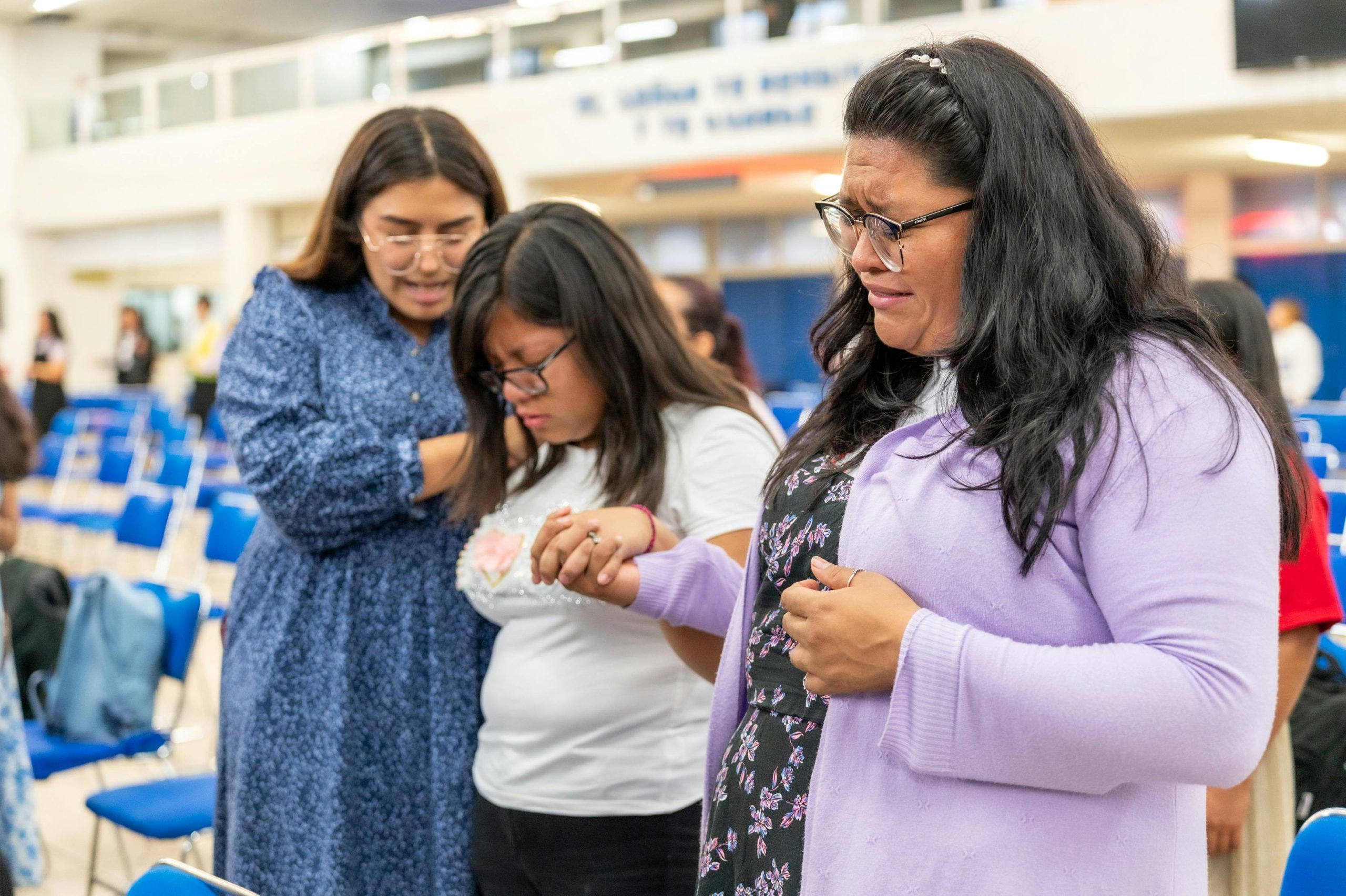
Families of children with special needs often face unique challenges and stress. A ministry that prioritizes warmth and understanding can make a big difference. Simple gestures like greeting families by name or creating accessible spaces show that everyone belongs. Feeling seen and valued can help families feel more confident in seeking support and participating fully.
When families feel welcomed, they are more likely to engage fully and trust the support offered. A safe and inclusive environment sets the tone for meaningful connections and lasting relationships within the church community. This sense of belonging encourages ongoing involvement and helps families build a supportive network they can rely on.
Providing Practical Resources
Families benefit greatly from guidance and tools that help them navigate daily life. Resources might include information about therapies, local support groups, or strategies for teaching children at home. Offering workshops or informational sessions can make these resources more accessible and less overwhelming.
Practical support helps parents feel less isolated and more equipped to care for their children. When families have the right tools, they can focus more on nurturing spiritual growth alongside everyday needs. Having access to helpful resources also reduces stress, allowing parents to be more present and engaged with their children.
Encouraging Spiritual Growth Together
Special needs ministry isn’t just about support—it’s also about fostering faith. Families can participate in worship, Bible studies, or prayer groups tailored to accommodate children of all abilities. These shared spiritual experiences create a sense of community and shared purpose. Engaging in faith together helps children and parents see God’s love in action every day.
Encouraging spiritual growth at home and within the ministry helps families feel connected to God’s Word. It shows that faith can be a source of strength, comfort, and joy for every member of the family. This connection reinforces that spirituality is not separate from daily life but a guiding presence in every moment.
Offering Emotional Support and Community
Caring for a child with special needs can be emotionally challenging. A ministry that provides listening, encouragement, and peer support can lighten that load. Small group gatherings, parent meet-ups, or informal conversations allow families to share experiences and advice.
Having a network of people who understand the journey fosters resilience and hope. Emotional support combined with community connection can strengthen families in ways that practical tools alone cannot.
Partnering With Families for Long-Term Success
Collaboration between ministry staff and families is key to meaningful support. Regular communication, shared goal-setting, and family involvement in program planning help ensure the ministry meets real needs. Families feel empowered when their voices and insights are valued. This partnership also helps create consistency between home and ministry, making support more effective and meaningful.
Working together makes spiritual, emotional, and practical growth more achievable for everyone. When families and staff collaborate closely, children benefit from a unified approach that nurtures faith, confidence, and independence in every part of their lives.
Celebrating Milestones and Everyday Wins
Recognizing both big achievements and small moments can uplift families and children alike. Celebrating a child learning a new skill, participating in worship, or simply feeling confident in a new environment reinforces progress and effort.
Acknowledging these milestones helps families see growth beyond challenges and encourages a positive perspective. These celebrations foster joy, strengthen bonds, and remind everyone that every step forward is meaningful in the journey of faith and family life.
Supporting Families as a Ministry Priority
Supporting families through special needs ministry, as seen at First Presbyterian Church, goes beyond offering services—it’s about nurturing a sense of belonging, encouraging growth, and building resilience. When practical resources, emotional support, and spiritual guidance work together, families feel strengthened in every part of their lives.
By creating a welcoming, supportive environment, ministries help families experience the love of God firsthand. This approach allows children and their families to thrive together, deepening faith and connection in ways that last a lifetime.
