


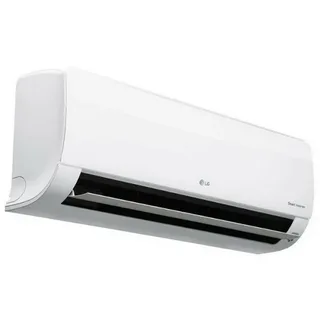
Air conditioning technology has come a long way since its inception, drastically transforming the way we experience comfort in our homes, workplaces, and even cars. From simple window units to advanced smart systems, air conditioner has evolved not only in terms of efficiency but also in terms of user experience, environmental impact, and integration with other smart home technologies. This article explores the fascinating journey of air conditioning technology, highlighting key milestones in its development and the future possibilities.
Early Beginnings: The Advent of Air Conditioning
The concept of air conditioning dates back to ancient civilizations, where people would attempt to cool indoor spaces using methods like water evaporation and architectural design. However, it wasn’t until the early 20th century that the technology we recognize today as air conditioning began to take shape.
In 1902, Willis Haviland Carrier, often called the “father of air conditioning,” invented the first modern air conditioning system. Initially designed to control temperature and humidity in a printing plant, this invention laid the groundwork for the widespread adoption of air conditioning in homes and businesses. The system used refrigeration technology to cool the air, reducing moisture levels and making it more comfortable for workers.
The Rise of Window Units: Convenience and Accessibility
By the mid-20th century, air conditioning technology had begun to enter the residential market. The introduction of window units in the 1950s revolutionized home cooling. These units were compact, easy to install, and affordable for many families, making air conditioning more accessible to the masses.
Window air conditioners quickly became a standard feature in homes, particularly in hot climates. They were designed to fit into a standard window frame and could cool a single room at a time. While they offered a great deal of convenience, window units also had their drawbacks, such as high energy consumption, noise, and the fact that they only cooled one room at a time.
The Shift to Central Air Conditioning Systems
As homes became larger and the demand for cooling grew, the limitations of window units became apparent. In response, central air conditioning systems were developed in the 1970s. These systems used a network of ducts to cool multiple rooms simultaneously, providing an even, comfortable temperature throughout the house.
Central air conditioning systems were far more efficient than their window unit predecessors and could be integrated into the home’s existing heating systems. However, they required a larger upfront investment and were not as simple to install, often requiring modifications to the home’s infrastructure.
The Evolution of Air Conditioning Technology: From Window Units to Smart Systems
In recent years, air conditioning technology has undergone a dramatic transformation. The next step in the evolution of air conditioning came with the integration of digital controls and energy-saving features. Modern air conditioning systems are now designed to be more efficient, quieter, and smarter than ever before.
Smart Thermostats and AI Integration
One of the key innovations in the evolution of air conditioning is the introduction of smart thermostats. These devices allow users to control their air conditioning systems remotely via smartphones or voice commands, making it easier than ever to maintain a comfortable indoor temperature.
Smart air conditioning systems also use artificial intelligence (AI) to optimize energy usage. For instance, systems can learn a household’s cooling patterns and adjust the temperature accordingly, improving efficiency and reducing energy bills. AI-driven systems can also anticipate changes in weather patterns and adjust settings in real time to maintain optimal comfort.
Energy Efficiency and Environmental Impact
Another critical development in the evolution of air conditioning technology is the focus on sustainability. With rising concerns about climate change and energy consumption, modern air conditioning systems are designed to be more energy-efficient, using refrigerants that have less environmental impact. Advances in inverter technology, which adjusts the compressor speed to maintain a consistent temperature, also contribute to the system’s energy efficiency.
In addition to reduced energy consumption, new air conditioning technologies focus on reducing the carbon footprint of cooling systems. For example, some systems are designed to operate with renewable energy sources, like solar power, or can be integrated with smart home systems that optimize energy use across multiple devices.
The Future of Air Conditioning: Innovations on the Horizon
Looking ahead, the future of air conditioning technology seems poised for even more groundbreaking advancements. The integration of machine learning, smart home ecosystems, and even IoT-enabled devices will continue to shape the industry.
In the coming years, we may see air conditioning systems that are even more autonomous, able to detect and respond to changes in the home environment without user input. For instance, systems could detect if a room is occupied and adjust the cooling based on the number of people present, the activity they are engaged in, or even their personal temperature preferences.
Additionally, the development of more sustainable and eco-friendly refrigerants, along with advances in solar-powered air conditioning, could significantly reduce the environmental impact of air cooling technology. These innovations could transform air conditioning from a major source of energy consumption to a green, sustainable solution for home comfort.
Conclusion
The evolution of air conditioning technology has been marked by a continuous drive for greater comfort, efficiency, and sustainability. From the early days of window units to the cutting-edge smart systems of today, air conditioning has become an essential part of modern life. As technology continues to advance, the future promises even more exciting innovations, making air conditioning systems smarter, greener, and more integrated into the world of connected homes.
