


High-frequency radar systems, including mmWave and sub-THz radars, are becoming increasingly common in automotive safety, industrial sensing, and communication technologies. These systems operate at very high frequencies, which makes them highly sensitive to interference, environmental conditions, and design limitations.
Even small variations in signal behavior or placement can significantly impact performance. This makes thorough understanding and careful evaluation essential for ensuring reliable operation. Without proper assessment, the system may not perform as intended in real-world scenarios.
Engaging professionals ensures that these complexities are properly addressed. Experts can identify potential issues early, such as signal loss, reflections, or environmental absorption, which might otherwise compromise the success of a project. Their knowledge helps teams navigate the technical nuances of high-frequency systems, ensuring that design and testing decisions are both effective and practical.
Ensuring Accurate Performance Measurement
Accurate performance measurement is critical in radar projects because even minor errors can have major consequences. Professionals use specialized equipment and measurement techniques to evaluate important parameters like range, sensitivity, and signal clarity. Without precise evaluation, testing may provide misleading results, which could affect both safety and functionality.
Measurement experts can simulate real-world conditions in a controlled environment, such as changes in weather, material interference, or line-of-sight obstacles. This controlled testing helps verify how the radar will perform under different scenarios and ensures that the system meets both design expectations and regulatory standards. Accurate evaluation at this stage reduces the chance of surprises during deployment.
Reducing Risks and Avoiding Costly Mistakes
Radar projects often involve significant investment, and mistakes in design or testing can be extremely costly. Professional evaluation minimizes these risks by detecting flaws before production or deployment. Identifying issues early prevents expensive redesigns, system recalls, or failures that could compromise safety and reputation.
A thorough assessment also helps project teams make informed decisions about materials, components, and configurations. This proactive approach not only saves time and money but also improves overall system reliability and quality. By addressing potential problems before they escalate, teams can maintain smoother project timelines and better results.
Integrating Expertise Into Project Development
High-frequency radar projects benefit when experts are involved from the earliest stages of design and testing. Professionals can guide critical decisions on component placement, frequency selection, and system specifications. This integration ensures that performance testing aligns with project goals and technical requirements from the start.
Working alongside specialists allows teams to optimize system performance while maintaining safety and regulatory compliance. Expert input provides confidence that the radar system will operate as intended in real-world applications. By leveraging this guidance, teams reduce the likelihood of unexpected issues during deployment and improve overall project outcomes.
Leveraging Advanced Tools and Techniques
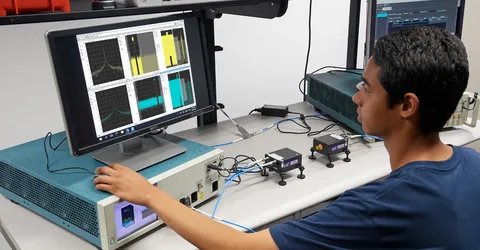
Professional evaluation relies on advanced tools, including specialized antennas, signal analyzers, and environmental simulators. These technologies enable radar systems to be tested under conditions that mimic real-world scenarios, such as variations in temperature, humidity, or surface materials. Proper testing ensures that results are meaningful and actionable.
Providers like MilliBox demonstrate how technical expertise combined with sophisticated equipment produces accurate, reliable assessments. Their approach helps teams identify areas for improvement, optimize performance, and gain confidence that the system will meet operational requirements.
The Value of Professional Radar Evaluation
High-frequency radar projects are inherently complex, and proper evaluation is essential for success. Professional assessment ensures accuracy, reduces risks, and optimizes system performance for real-world conditions. It’s not just a procedural step—it forms the foundation for safety, efficiency, and reliability.
By involving experts, teams can detect potential issues early, avoid costly errors, and create high-performing radar systems that meet both technical and regulatory expectations. Professional evaluation builds confidence, enabling engineers and stakeholders to move forward with certainty. Ultimately, a trusted partner in radar testing is key to delivering a system that performs reliably and safely under all intended conditions.
