


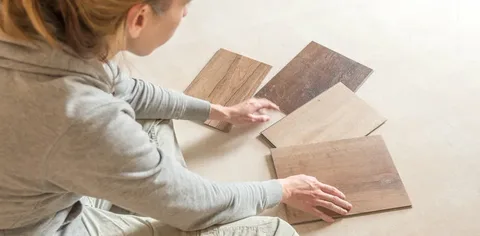
When it comes to enhancing the beauty and value of your home, few options are as timeless and elegant as wood flooring. However, with so many types, styles, and finishes available, selecting the perfect wood floor can be overwhelming. This article serves as The Ultimate Guide to Choosing the Right Wood Flooring for Your Home, helping you make an informed decision that suits your lifestyle, taste, and budget.
Why Choose Wood Flooring?
Wood flooring offers a warm, natural aesthetic that complements virtually any interior design. It’s durable, easy to clean, and can be refinished to look brand new, making it a practical and long-lasting investment. Moreover, wood floors can increase your home’s resale value, making them a smart choice for homeowners.
Types of Wood Flooring
Solid Hardwood Flooring
Solid hardwood floors are made from a single piece of wood, providing authenticity and longevity. They can be sanded and refinished multiple times, ideal for high-traffic areas. Common species include oak, maple, and cherry.
Engineered Wood Flooring
Engineered wood consists of a top layer of real wood bonded to plywood layers beneath. This construction makes it more resistant to moisture and temperature changes, making it suitable for basements and kitchens.
Bamboo and Exotic Wood Options
Though technically not wood, bamboo flooring offers a sustainable and eco-friendly alternative. Exotic woods like teak and mahogany bring unique colors and grain patterns, adding character to your home.
Factors to Consider When Choosing Wood Flooring
Durability and Hardness
The hardness of wood is crucial, especially for homes with pets or children. Refer to the Janka hardness scale to choose a wood species that withstands wear and tear.
Color and Finish
Wood floors come in a spectrum of colors from light to dark. Lighter floors can make small spaces feel larger, while darker floors add warmth and sophistication. Finishes such as matte, satin, or gloss affect the sheen and feel of your floor.
Installation Method
Consider whether you prefer nailed, glued, or floating floors. Engineered wood often uses floating installations, which can be faster and less invasive.
Budget
Wood flooring prices vary widely. Solid hardwood tends to be more expensive, while engineered wood and bamboo provide more affordable alternatives without compromising beauty.
Maintenance Tips for Wood Floors
Maintaining wood floors involves regular sweeping, avoiding excess water, and using appropriate cleaners. Refinishing your floors every few years can restore their original shine and protect the surface.
Conclusion
Choosing wood flooring is a significant decision that impacts your home’s style and functionality. By following The Ultimate Guide to Choosing the Right Wood Flooring for Your Home, you can select flooring that fits your needs perfectly, enhancing your living space for years to come.
