


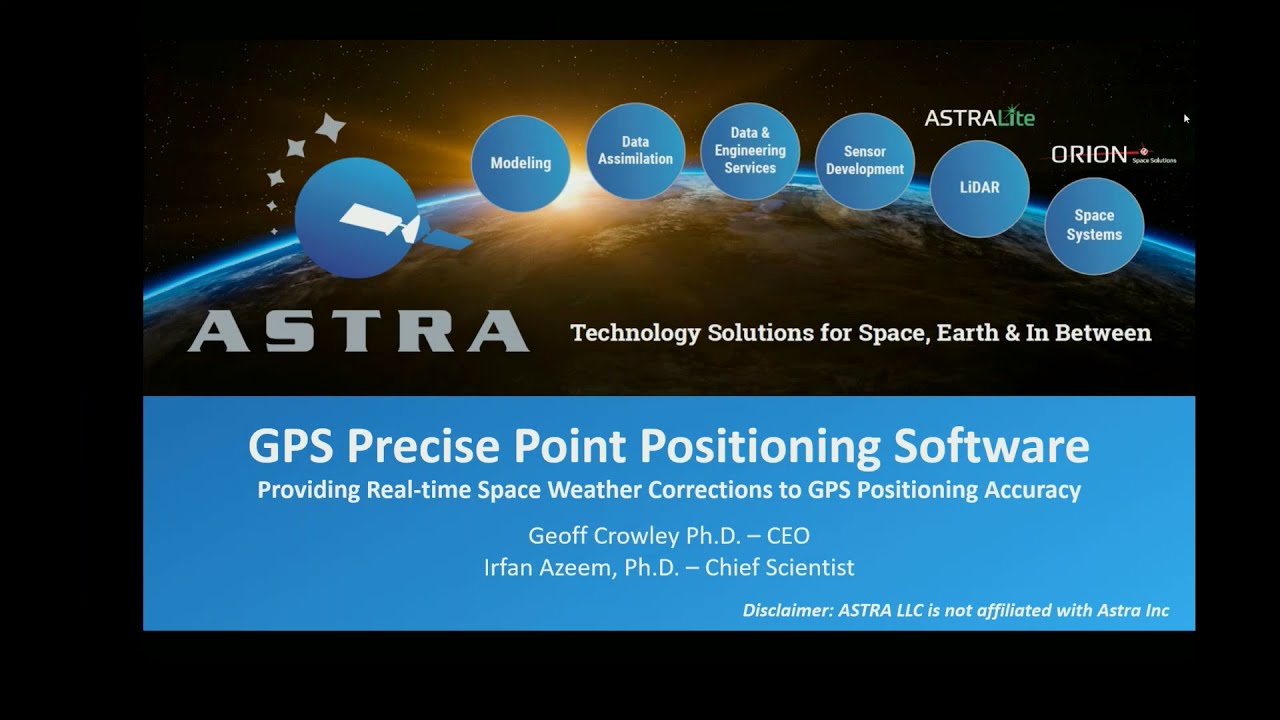
In today’s fast-paced world, accurate location data is more critical than ever. From autonomous vehicles to agricultural management, precision gps technology has revolutionized how we navigate and interact with our environment. This guide will provide an in-depth look at how this technology works, its applications, and its future potential.
What is Precision GPS Technology?
Precision GPS technology refers to systems that provide highly accurate positioning data, often down to a few centimeters. Unlike standard GPS, which typically offers accuracy within 3–10 meters, precision GPS uses additional techniques such as Differential GPS (DGPS), Real-Time Kinematic (RTK) positioning, and satellite-based augmentation systems (SBAS) to enhance reliability and accuracy.
How Does Precision GPS Work?
Differential GPS (DGPS)
DGPS uses a network of fixed ground-based reference stations to broadcast correction signals to GPS receivers. This reduces errors caused by atmospheric interference, satellite clock drift, and signal multipath, improving location accuracy significantly.
Real-Time Kinematic (RTK)
RTK is a more advanced technique that provides centimeter-level accuracy. It relies on a base station to send real-time correction data to a rover (mobile receiver), allowing for precise surveying, mapping, and navigation in real-time.
Satellite-Based Augmentation Systems (SBAS)
SBAS, such as WAAS in the United States and EGNOS in Europe, enhances GPS accuracy by providing additional correction signals from geostationary satellites. This system is particularly useful in aviation, agriculture, and marine navigation.
Applications of Precision GPS Technology
Agriculture
Farmers use precision GPS technology to optimize planting, irrigation, and harvesting. With accurate location data, they can reduce waste, increase yields, and implement precision farming techniques effectively.
Autonomous Vehicles
Self-driving cars rely heavily on centimeter-level GPS accuracy to navigate roads safely, avoid obstacles, and maintain precise lane positioning.
Surveying and Construction
Surveyors and construction professionals use RTK GPS systems for mapping and site layout. High accuracy ensures projects are completed efficiently and according to design specifications.
Environmental Monitoring
Precision GPS is instrumental in monitoring natural resources, tracking wildlife, and managing forests. Accurate location data helps scientists make better-informed decisions.
The Future of Precision GPS Technology
As technology continues to evolve, the accuracy and reliability of GPS systems are expected to improve further. Integration with AI, IoT devices, and enhanced satellite networks will expand the possibilities, making precision GPS technology even more critical in everyday life.
Conclusion
Whether it’s for agriculture, transportation, surveying, or environmental research, precision GPS technology is reshaping how we understand and interact with the world around us. By providing highly accurate and reliable location data, this technology is paving the way for smarter, safer, and more efficient solutions across multiple industries.
