


In the medical world, “recession” is a word that often sends a shiver down a provider’s spine. When the economy dips, people typically cut luxury items from their budgets first. However, the beauty industry often defies these downward economic trends. Patients might skip a vacation, but they remain hesitant to give up treatments that help them feel refreshed.
This is known as the “lipstick effect,” where consumers indulge in small luxuries when big-ticket items are off the table. Today, this trend has shifted toward minimally invasive procedures that offer high impact for a lower cost than surgery. For a medical practice, these services act as a vital financial cushion during lean months. When traditional elective procedures fluctuate, steady demand for these treatments keeps the business profitable.
Understanding the Resilience of Aesthetics
The popularity of injectables during a downturn is rooted more in psychology than vanity. When the job market gets competitive, people maintain a youthful appearance to feel more confident professionally. This drive for self-preservation makes these services feel like a necessity for many regular clients..
Furthermore, these treatments have a high “stickiness” factor, meaning patients rarely want to stop and lose their results. Because the effects are temporary, it creates a recurring revenue model that traditional medical services simply cannot match. A patient visiting every few months provides a predictable income stream that helps a practice forecast its budget accurately. This consistency is exactly what you need when the broader economy feels shaky.
Diversifying Your Revenue with Injectables
Adding aesthetic services doesn’t mean changing your entire brand identity overnight. It is simply about offering your patient base additional value they are likely seeking elsewhere. Most patients would rather receive these treatments from a provider they already trust. Keeping these services in-house prevents revenue from flowing to the med-spa down the street.
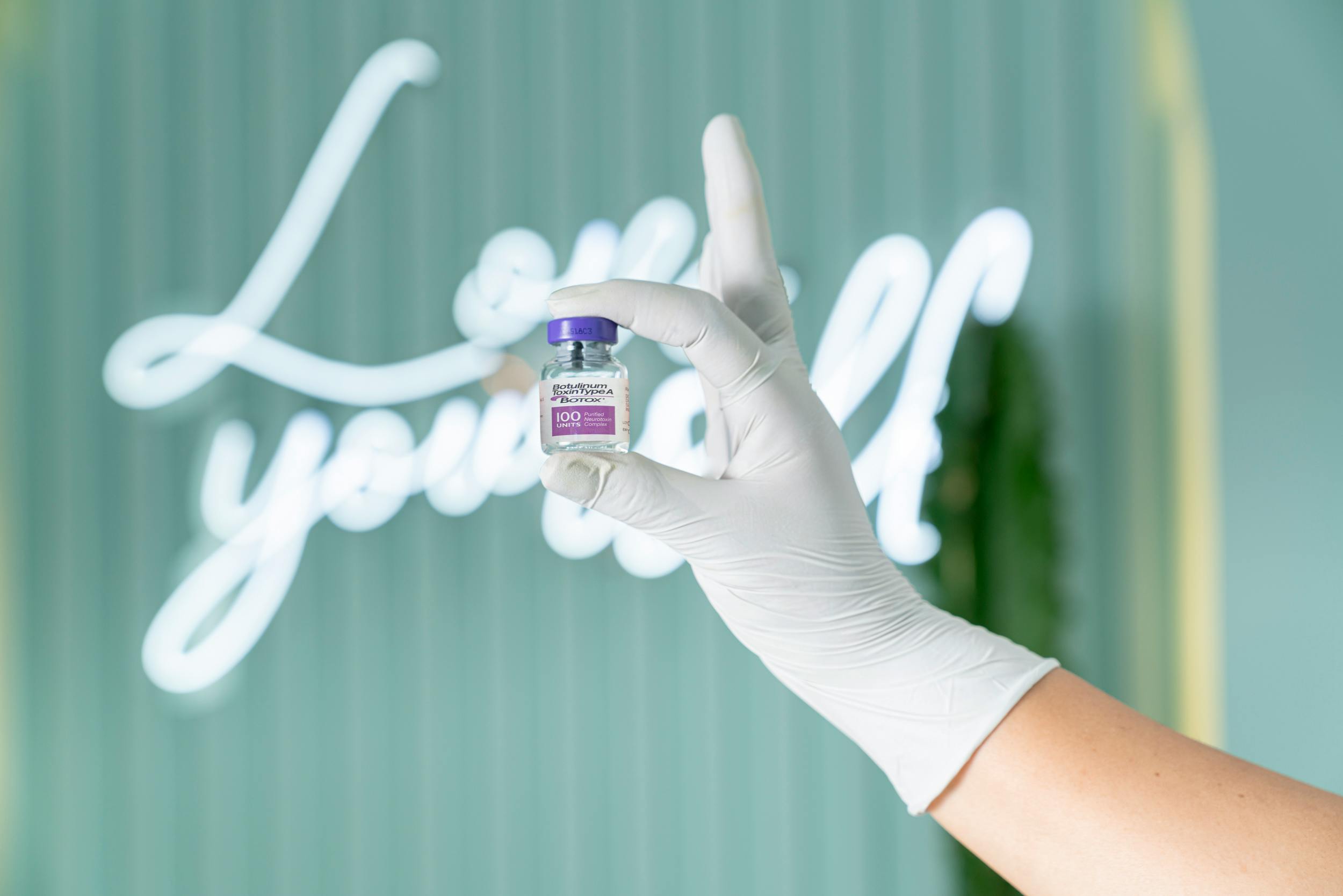
To get started, many clinicians look for reputable botox training to safely bridge the gap between traditional medicine and aesthetics. These programs provide the foundation for relaxing facial muscles to smooth lines while maintaining a natural look. Investing in this skill set is essentially an insurance policy for your career. It provides a portable, high-demand skill that remains relevant regardless of what happens on Wall Street.
Lowering Overhead While Increasing Margins
Injectables offer low overhead compared to major surgeries. These treatments require only a few supplies and a standard exam room, taking less than fifteen minutes to complete. This high “revenue-per-minute” allows you to see more patients without burning out your staff.
Because products are ordered as needed, you avoid maintaining an expensive, expiring inventory. This keeps your cash flow liquid and manageable during a recession. Best of all, you receive immediate payment instead of waiting months for insurance companies to process claims.
Building Lasting Patient Relationships
The aesthetic industry naturally encourages long-term relationships with your clientele. Unlike one-off surgeries, you see these patients several times a year for maintenance. This frequent contact builds a level of trust and rapport that is rare in modern healthcare. When patients feel a personal connection, they are much more loyal to your practice.
This loyalty serves as a protective barrier during tough financial times. Happy patients also become your best marketing tool by referring friends and family. In a world of expensive digital ads, a self-sustaining referral network is a gold mine. These organic connections keep your schedule full without spending a fortune on advertising.
Investing in Long-Term Career Stability
At the end of the day, recession-proofing is about being adaptable and staying ahead of the curve. By expanding your clinical repertoire, you become a specialist in a niche that people prioritize even when pinching pennies. This makes you indispensable to both your community and your employer.
Learning facial aesthetics also provides a creative outlet that many providers find refreshing. It is a unique blend of science and artistry that offers immediate gratification. Seeing a patient’s face light up is a powerful reward that combines emotional fulfillment with financial stability.
Conclusion
While no business is entirely immune to the ups and downs of the global economy, adding aesthetic services to your practice is as close to a sure bet as you can get. The combination of high patient demand, recurring revenue, and low overhead makes it an ideal strategy for any medical professional looking to secure their future.
By focusing on services that boost confidence and provide a sense of normalcy, you create a business that thrives when others are merely surviving. Taking the time to master these skills now ensures that when the next economic storm rolls in, your practice will be the one standing strong.
